Have you ever wondered, while watching the Disney film Frozen II, what’s going on with Elsa? Sure, the now wildly popular song "Into the Unknown" is a fantastic musical moment, but would someone really dedicate their life to discovering the truth of something absolute unknown to the world?
Well, the stories of four French explorers and navigators from hundreds of years ago still remind us today that some people are really just born like Elsa: curious, brave, and, of course, extraordinarily adventurous.
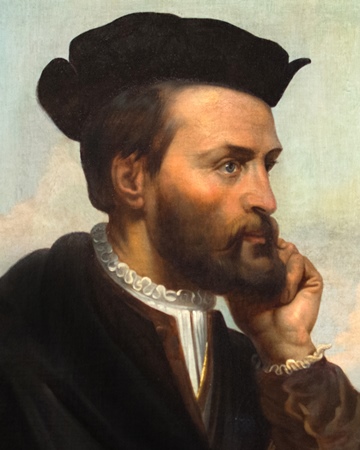
On the last day of the year 1491, Jacques Cartier was born in Saint-Malo, a port town in Brittany, France. The town had a rich fishing culture, and many believe that Cartier started mastering his navigational skills and seafaring from an early age. But this remains a mystery, as almost nothing is known about this man’s early life before his famous explorations that discovered what is today Canada and laid the foundations for the establishment of the French-colonised New France.
Just so you know, before Cartier’s expedition, Canada was not called Canada. But it would also be too far to credit Cartier with giving the country its name, as he actually “borrowed” the word from the native Iroquois-Huron language. The natives referred to their village as a kanata, which simply means “village” or “settlement”. Cartier used this word to refer to the areas he explored, and as more and more French came to occupy the land, the word “Canada” became widely used.
Before this exploration, Cartier’s life remains largely undocumented. Many scholars believe that he took several trips across the Atlantic Ocean. There are also claims that he sailed on a voyage to Brazil as a young man. But anyway, when King Francis I decided in 1534 to send an expedition to explore the northern lands in the hope of discovering gold, spices, and a passage to Asia, Cartier took on the mission.
And you know what happened next. Bad luck for Cartier for not finding a way to get to Asia, but he was fortunate enough to discover Prince Edward Island and the Gaspé Peninsula, which was, of course, the homeland of many Mi’kmaq natives. In his subsequent voyage one year later, Cartier also reached the modern-day cities of Quebec and Montréal, foreshadowing what would now be described as an absolute atrocity: French colonisation in Canada.
Today, you can find Cartier being honoured in several places in Canada, including the Jacques Cartier Bridge that connects Montréal and Quebec across the St. Lawrence River. If you travel to Montréal or his hometown of Saint-Malo, you can also take a photo with his statue, just not with him. Well, after all, colonisation fades, but the spirit of adventure remains. And statues, apparently, last for quite a long time as well.
French vocabulary:
In February 1788, two French ships sailed out of Botany Bay. The Boussole and the Astrolable were last spotted off the coast of what is now Sydney, Australia, heading north toward the Solomon Islands, before they vanished from the world.
The British, who had only just arrived four days earlier to this newly colonised territory, were concerned as they once believed themselves to be completely out of the control of any other European powers.
I mean, can you even imagine Australians greeting with “Bonjour” instead of “G’day, mate”?
But the British colonisers weren’t the only people who were worried.
Back in Paris, the French anxiously wondered about the 225 men who had set sail three years earlier under the command of Jean-François de Galaup, comte de La Pérouse – the famous lover of the sea who had been personally commissioned by Louis XVI to lead a grand scientific expedition around the world.
Having joined the navy at the age of 15, La Pérouse was taken prisoner by the English during the Seven Years’ War before eventually taking on his historic mission as a navy officer to expand France’s national knowledge of exploration, geography, and the natural sciences.
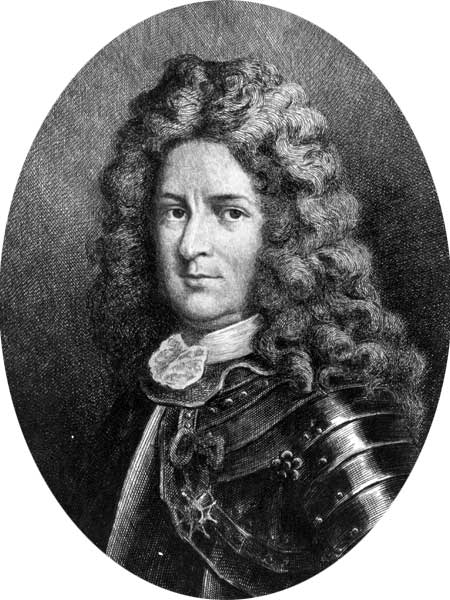
Many today would, without hesitation, describe La Pérouse’s expedition as first and foremost an extraordinary human adventure. With an impressive team of officers, seamen and scientists, he was the first to explore the North American coast of Alaska and California, survey the remote seas near Korea, and venture to the isolated coast of Siberia. He kept detailed records of everything he came across during his adventure, from weather logs and coastal sketches to descriptions of encounters with Pacific islanders.
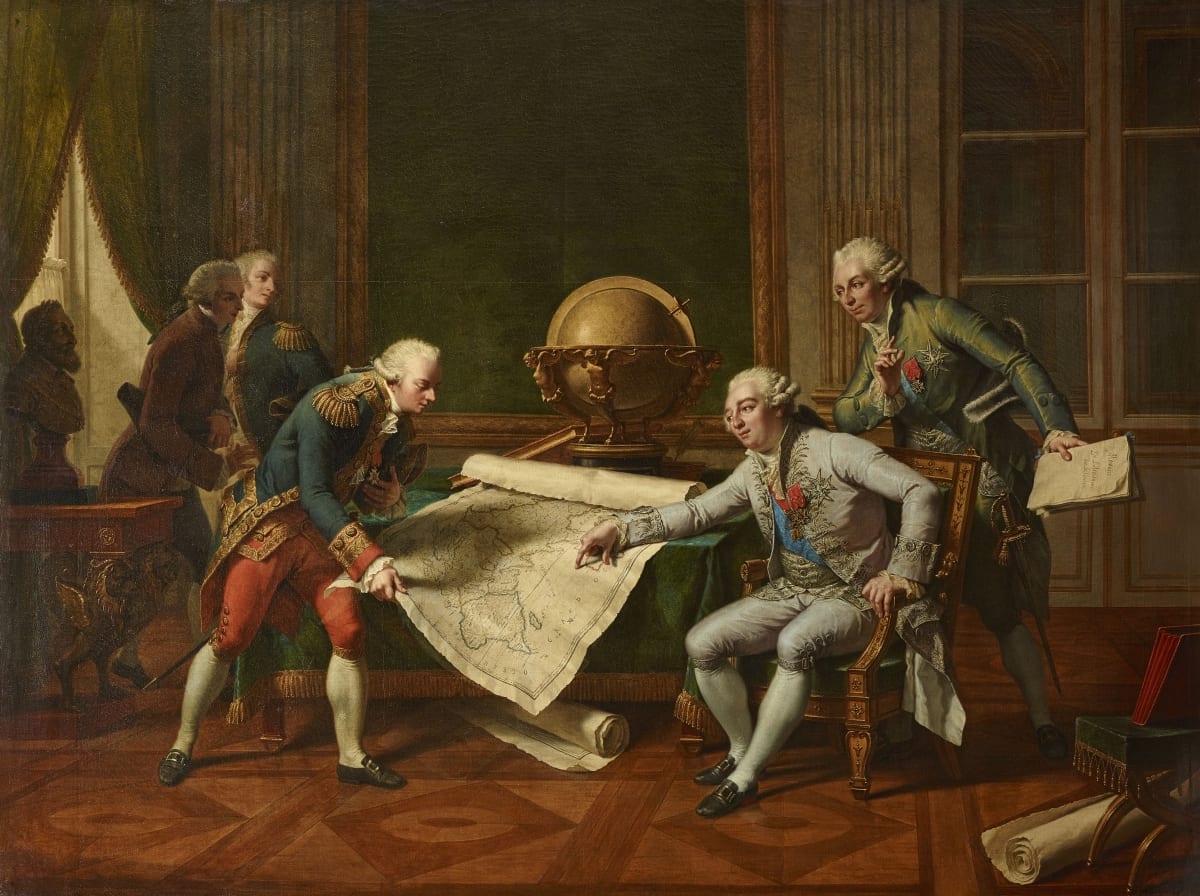
The disappearance of La Pérouse and his crew almost feels like nature’s way of teasing humanity, a reminder of how vulnerable human beings truly is. After all, no one has ever questioned the idea that adventure has always come with risks. And yet, for centuries, France never stopped sailing “into the unknown”, in search of knowledge.
At a time as early as 1785, this French naval officer was uncovering parts of the world still largely unknown to Europeans, until the wreckage of his two vessels was eventually discovered near Vanikoro in the Solomon Islands.
French vocabulary:
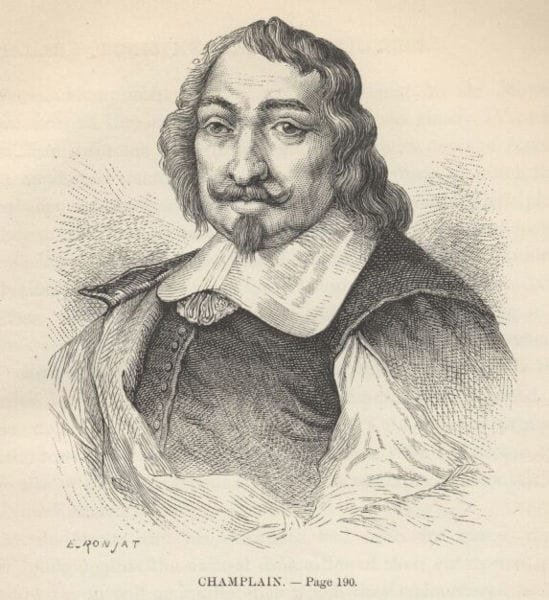
Nicknamed the “Father of New France”, Champlain is the Frenchman who founded Quebec City and established New France as a permanent French colony in North America.
Of course, today we recognise that this, and any other forms of colonisation threaten the existence of native population, their culture and the natural order of their society. Notwithstanding how colonisation was seen as a way to enrich the world of the colonisers themselves back then, it is today subject to moral condemnation, as it should be, following the development of our modern society.
Back to the story of Champlain, born into a family of mariners, both Champlain's father and uncle-in-law were sailors and navigators.
Champlain himself received practice maritime training from an early age. While other kids were busy playing with toy boats, Champlain
was already mastering the secrets of navigation, cartography, drafting, and report writing: skills he developed further during voyages on
his uncle-in-law’s ship.
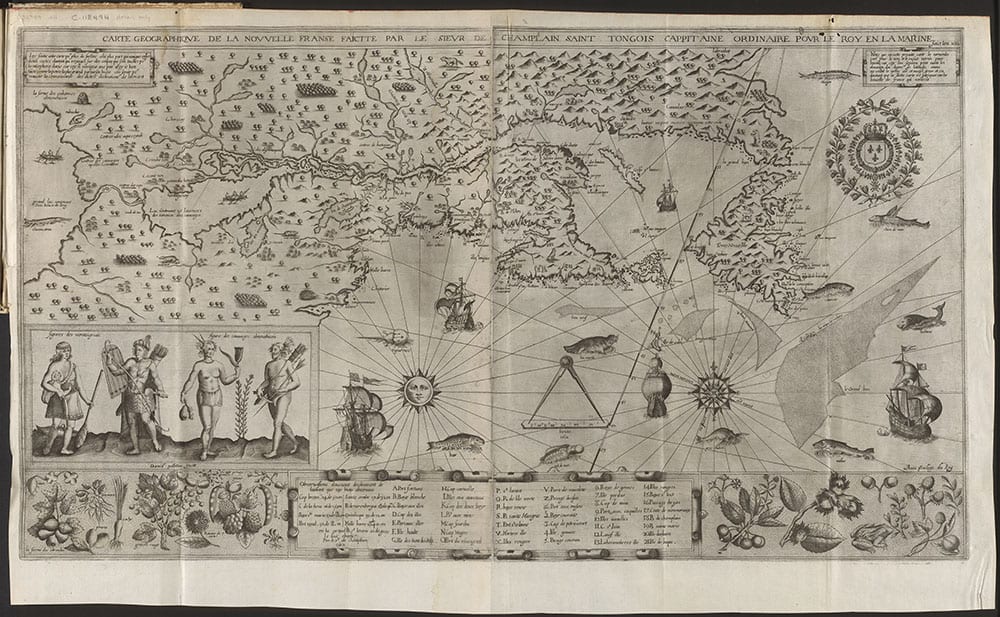
Invited by the French ambassador to England, Aymar de Chaste, Champlain joined an expedition to explore New France with the goal of establishing a significant trading post. Between 1603 and 1635, he crossed the Atlantic more than 20 times, an impressive feat in itself, mapping routes from the St. Lawrence River all the way to Montreal. During these journeys, he also explored Lake St. John, the site chosen for a European colony. He was named governor in 1619 and remained in that role until his death some twenty years later.
Champlain’s maps greatly expanded France’s geographical knowledge, transforming vague coastlines into clear, navigable routes. He helped define the outline of what would become Canada and northern New England, and his detailed observations of Indigenous alliances and trade networks influenced French expansion for nearly a century.
French vocabulary:
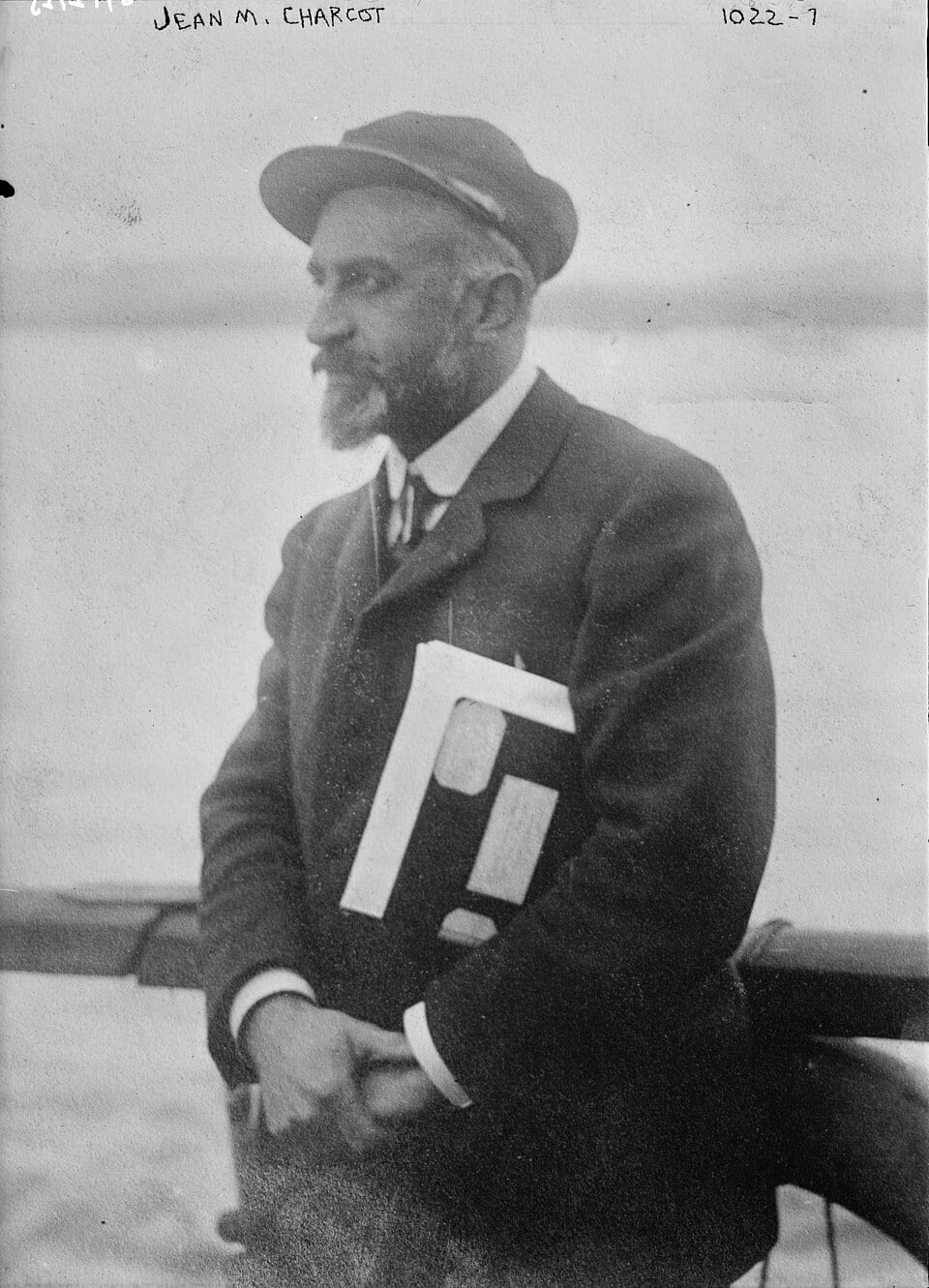
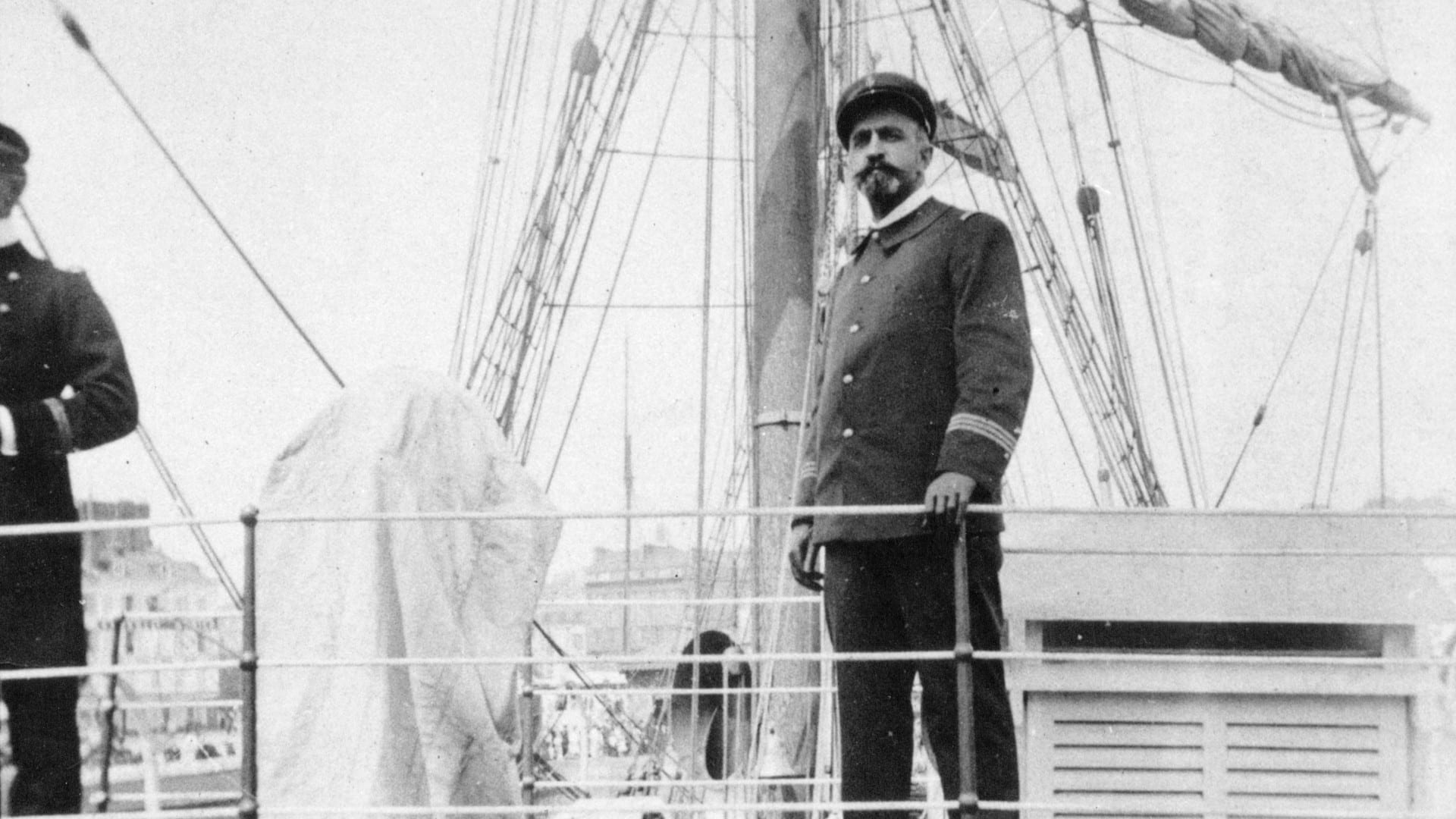
You may also have heard the extraordinary story of the "Polar Gentleman", Jean-Baptiste Charcot. Born in 1867 to a distinguished neurologist father, Charcot was not expected to become a navigator whose life revolved around the ocean. He trained as a doctor, but found himself far more drawn to the wild, open spaces of the natural world.
At the age of 26, Charcot built his first ship, the Pourquoi-Pas? ("Why Not?"), a name that seems to answer every annoying question one might ask someone who abandons comfort to chase the abstract thrill of discovery. The name "Why Not" is said to trace back to his childhood, when he wrote the two words on the side of a soapbox and launched himself across a miniature pool in Neuilly-sur-Seine, where he was born and raised. The box sank, and he got soaked; but it was only the first of many voyages he would take in his lifetime.
In 1902, Charcot crossed the Arctic Circle for the first time. The following year, he led the first French Antarctic Expedition, crossing the Atlantic Ocean to Brazil then onward to Ushuaia. The results of the two expeditions he led were undeniably impressive: 1250 miles of coastline and newly discovered territory were surveyed; the maps produced were still in use twenty-five years later; and the scientific findings filled 28 volumes, including material drawn from some 3000 photographs taken during the expedition.
French vocabulary:
So maybe Elsa wasn’t being dramatic after all. Like Jacques Cartier, La Pérouse, Samuel de Champlain, and Jean-Baptiste Charcot, some people simply feel the pull of the unknown. And, instead of ignoring it, they follow it across oceans, into ice, and off the edge of the map. Their journeys remind us that curiosity isn’t just a trait; it’s a compass.
And sometimes, the bravest thing you can do is sail anyway.