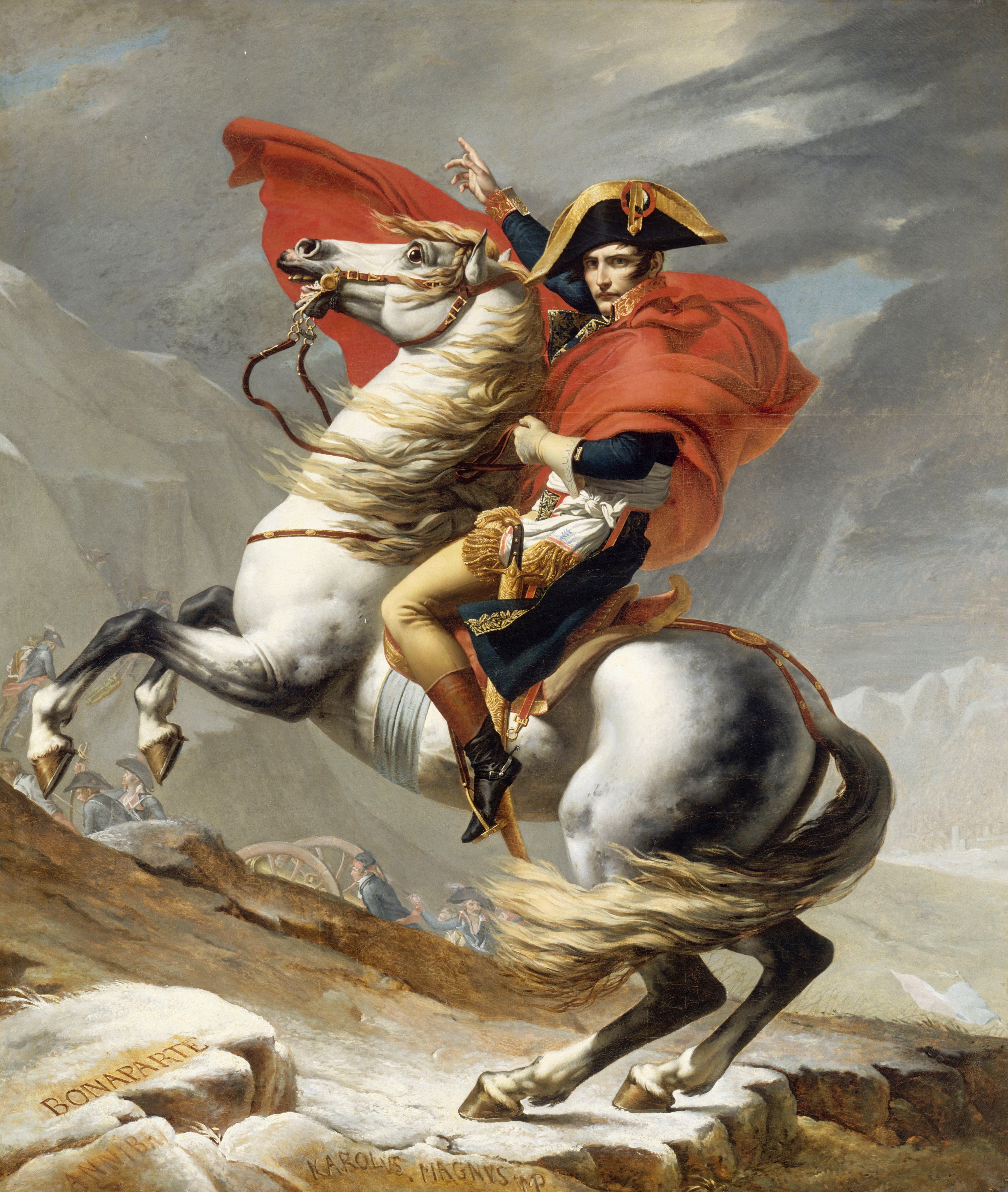
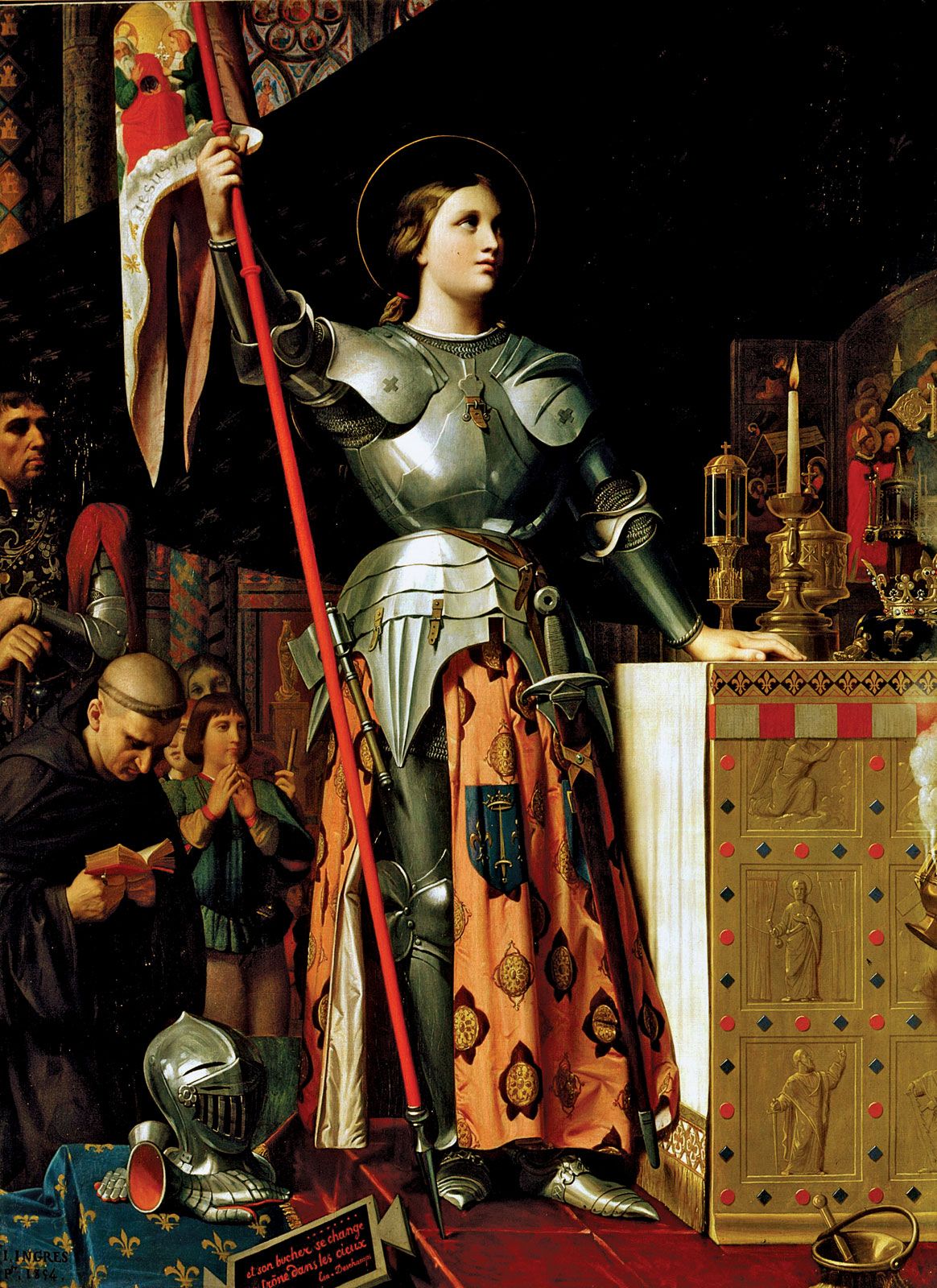
Remember that one episode of Keeping Up with the Kardashians? The sisters were literally taking selfies on their way to visit another sister in jail. While, as their mum Kris said, they probably should've shown at least a little compassion for the one actually behind bars, history has seen men do far, far worse things.
For some, prison was basically a playground: they came and went all the time, leaving the guards wondering who the man was that escaped wearing a nurse costume. For others, things became even weirder: they imprisoned their own friends, relatives, and even their own wives, some of whom they executed by themselves.
For all the things you might hear during a "we listen, we don't judge" challenge, trust me, there are definitely some figures who deserve at least a little side-eye.
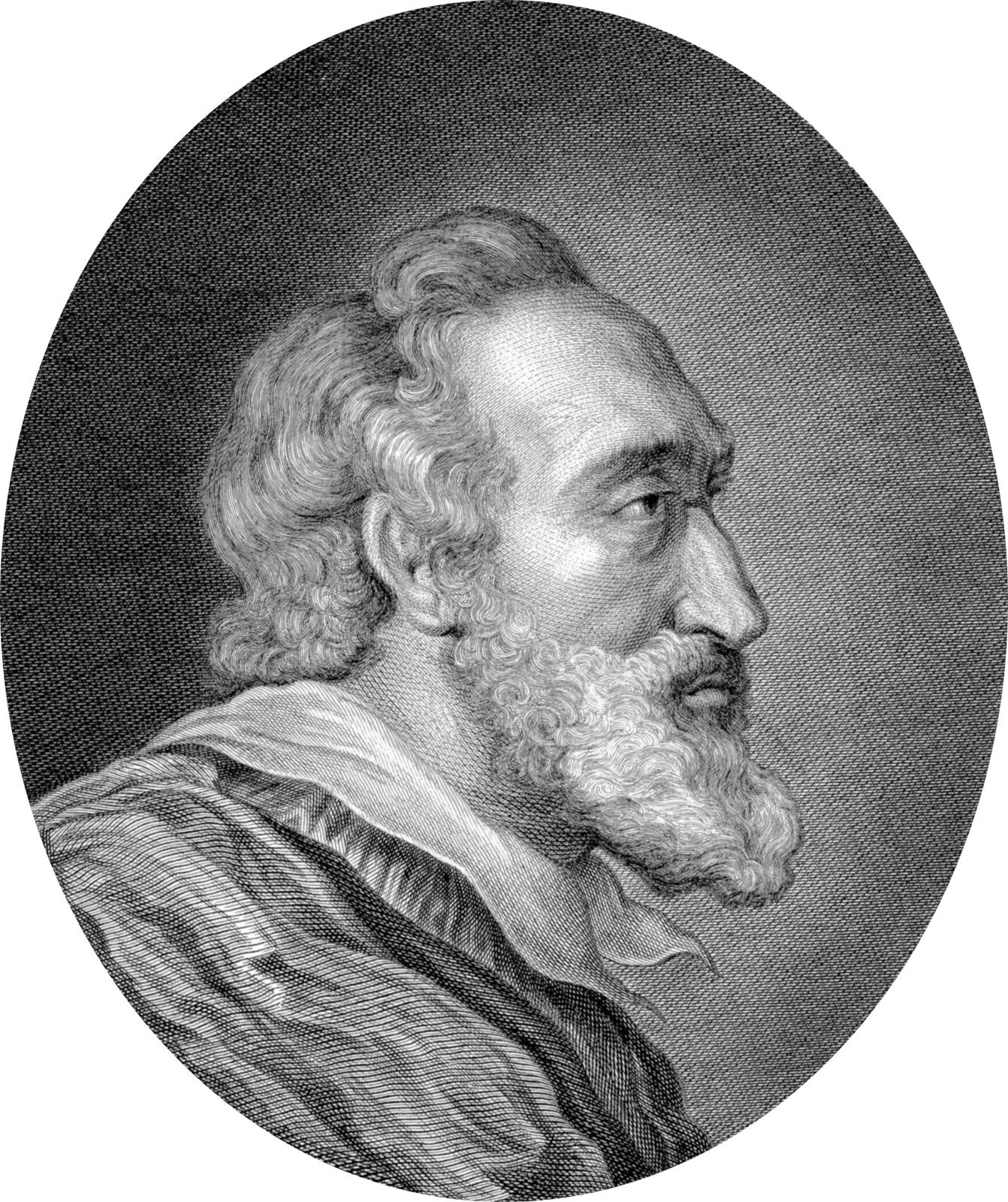
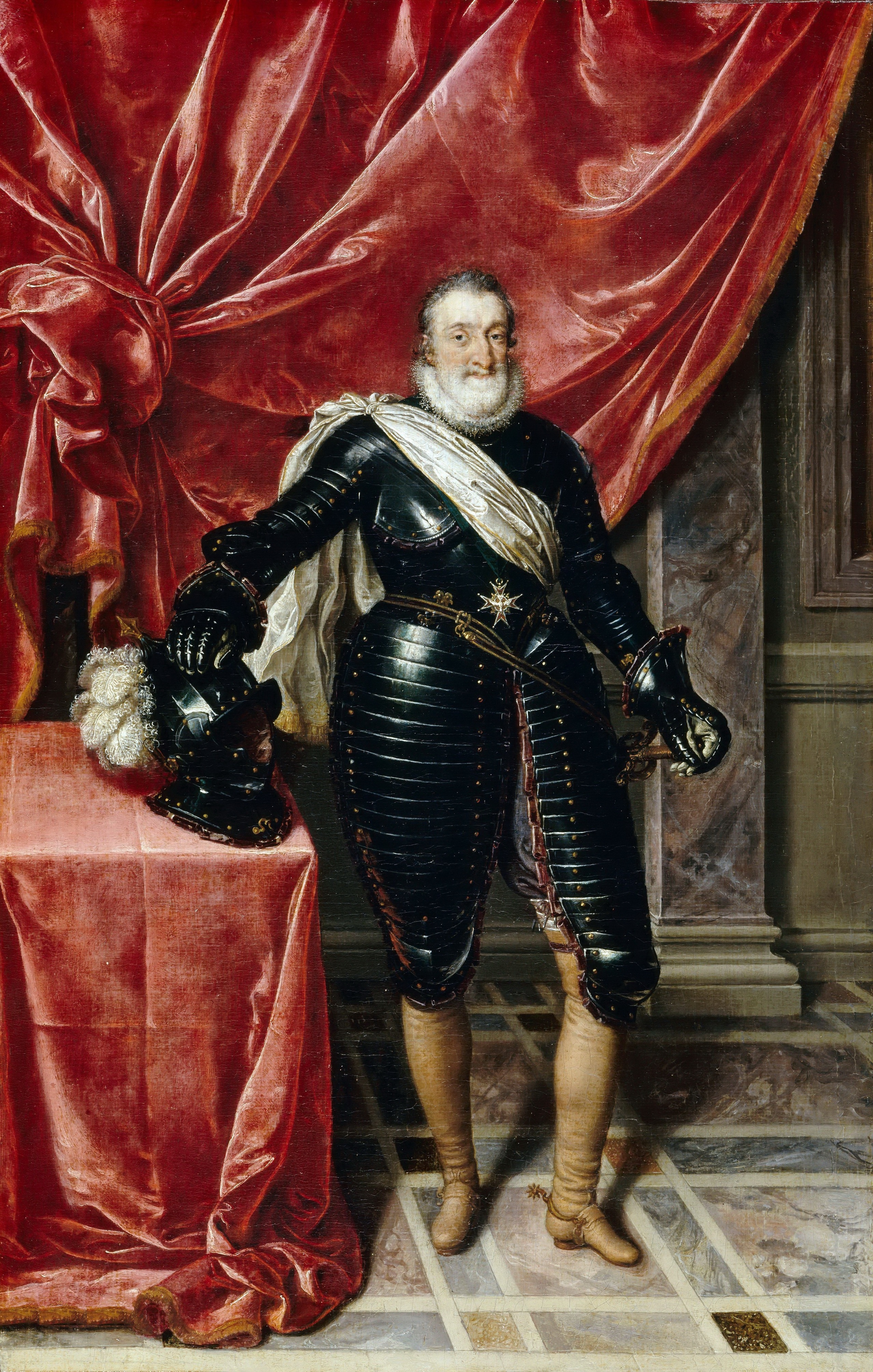
King Henry IV had a messy personal life. And by messy, I mean chaotic.
Growing up, Henry’s parents didn’t get along. His father, Antoine of Bourbon, constantly flaunted his many mistresses in front of his wife, Queen Joan of Navarre. And what about Henry? Well, the apple didn’t fall far from the tree. When Henry was married to Margaret of Valois, daughter of Henry II of France, drama never stopped following the royal family around. Apparently people just had the privilege of watching a live episode of Keeping Up with the Royals.
One of Margaret’s many admirers described her as “more divine than human, she is made to damn and ruin men rather than to save them”. Well, even before the actual marriage, there was a huge obstacle between the two. While Henry was a Protestant like his mother, Margaret was a staunch Catholic and swore she would never convert. Even the Pope himself weighed in, warning that he would never sanction Henry and Margaret’s marriage. But they continued anyway.
Following his mother’s death, the 19-year-old Henry became the King of Navarre and married Margaret at Notre Dame Cathedral in Paris very much without the blessing of the Pope and many French people. In fact, because of his Protestant faith, Henry had to awkwardly stand outside the Catholic cathedral while his own wedding went on. Still, there was a huge celebration, all glitter and glamour … at least for four days.
On the fifth day after the wedding, the “Red Wedding” episode from Game of Thrones joined the chat. Taking advantage of how many prominent Protestants were in Paris for the wedding, a Catholic mob began killing French Protestants en masse. For days, high-ranking Catholics would literally hunt down noble Protestants in their own palace rooms, bang on their doors and kill whomever they could. Later known as the St. Bartholomew’s Day Massacre, this is what indeed inspired George R R Martin’s “Red Wedding”.
On The Catholics didn’t forget about Henry, of course, since him was probably one of the most well-known Protestants in town. They came right after him when Henry and his new wife cowered in the Louvre Palace. But, kindly enough, they gave Henry at least a choice: convert to Catholicism right then and there, or die.
Henry was clearly no fool. He agreed to convert to Catholicism. However, it wasn’t until twenty years later that he actually became Catholic. In 1593, he converted to secure his very own place as the new King of France. This is because the Catholic League refused to accept a Protestant as their new King. Without even hesitating, Henry changed his religion and said that “Paris vaut bien une messe”, “Paris is well worth a mass”.
Back to his messy personal life, Henry had cheating issues. And after years of watching her husband gallivant around with other women, Margaret tried to kill Henry. She first tried to poison him, and when that didn’t work out, she went ahead and tried to shoot him with a pistol, but ultimately missed. After failing in her assassination plans, the Queen fled the kingdom before ending up in jail.
Even approaching his 60s, Henry’s libido didn’t slow down at all. One of his final romances was with Charlotte de Montmorency, who was only 15 years old. He even married Charlotte to one of his courtiers, Henri de Bourbon, so that he could keep her by his side. This is certainty not exactly the kind of matchmaking service people usually hope for.
Charlotte understandably favoured the husband Henri over the old King Henry. They decided to flee Paris together and settled in Brussels, before Henry threatened them to come back, or else he would march into Belgium himself with a flank of men. Which is certainly one way to deal with relationship problems: international military pressure.
Henri de Bourbon was never happy about the way Henry tried to intervene his marriage and take away his wife. Later when someone asked him to give a toast to the Queen of France, the man quipped that he couldn’t…because there were probably four or five queens of France.
Henry was ultimately assassinated…and why are we not even surprised? He was in a carriage and stalled in traffic, traffic likely produced by his new wife’s coronation, when a man suddenly jumped in from the street and attacked him, stabbing him between the ribs.
Well, at least half the women in France probably slept peacefully that night.
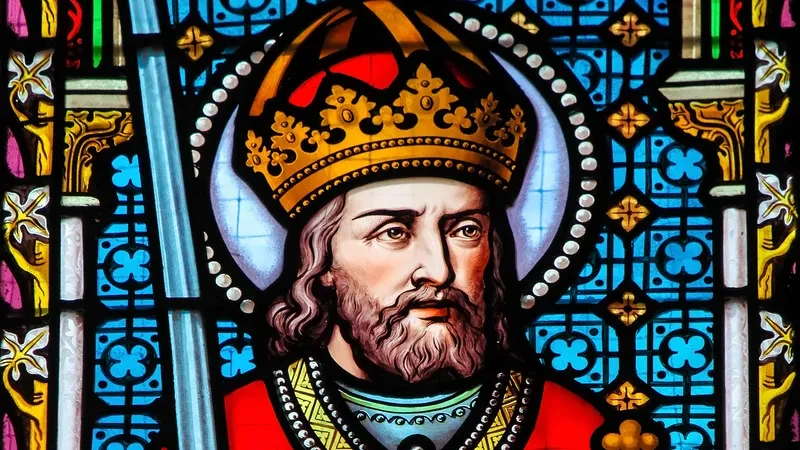
Not very much is known about Clovis I, king of the Franks and ruler of much of Gaul from 481 to 511, a key period during the transformation of the Roman Empire into Europe.
To us, Clovis I remains a shadowy figure: a warrior who solidified a kingdom, corresponded with bishops, and converted to Catholic Christianity. For the French, he was the founder of France, or at least “the first king of what would become France”. A derivation of his name, Louis, later became the signature name of French kings.
For Catholics, Clovis was the first major Germanic Catholic king. Pope John Paul II even celebrated a mass in Reims in 1996 to commemorate the 15th centenary of his baptism.
Clovis became King of the Salian Franks in 481, after the death of his father, Childeric I. From there, he gradually expanded his territory from what is now the southern Netherlands all the way to northern France. In 486, he won the Battle of Soissons, helping him take control of a large portion of what was left of the Western Roman Empire in Gaul.
Clovis was, however, deeply controversial. He captured and executed his former friend Ragnachar along with several other leaders, including some of his relatives. Although this wasn’t unusual for the era, accusations of brutality followed him.

By the time of his death in 511, Clovis had built a kingdom blending both Roman and Germanic traditions in language, law, and religion. He had conquered many smaller rival Frankish kingdoms, defeated the Alemani tribes in eastern Gaul, and crushed the Visigothic kingdom in the southwest. Above all , these victories had made his family a major power in Western Europe. In other words, he was indeed very committed to the medieval concept of “networking”.
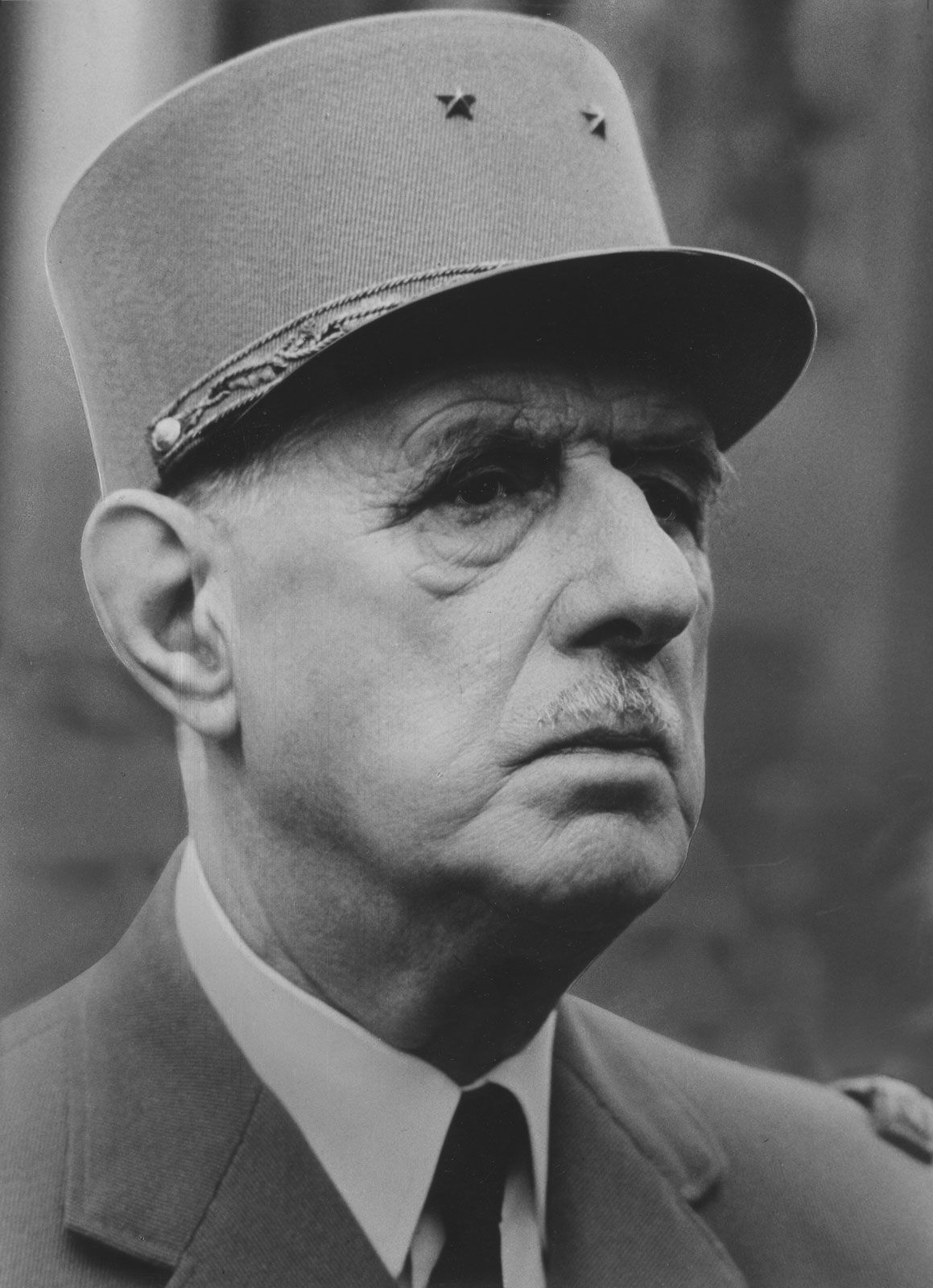
Charles de Gaulle spent most of WWI as a prisoner of war. Captured by the Germans for 32 months, he attempted to escape five times: hiding in a laundry basket, digging tunnels and through walls, disguising himself as a nurse… Honestly, he came up with some pretty creative solutions.
Perhaps amazed by how dedicated he actually was, the Germans eventually moved de Gaulle to a reprisal camp for officers deemed to warrant punishment.
De Gaulle’s determination to escape would define much of his later political life too. During WWII, he strongly criticised France’s reliance on the Maginot Line for defence against Germany. Unfortunately, France ignored him, and Germany responded by bulldozing through the country at alarming speed.
Refusing to accept the French government’s truce with the Germans, de Gaulle fled to London, where he went on the BBC radio urging his fellow countrymen to resist. He then announced the formation of a French government in exile and became leader of the Free French Forces. This open act of defiance led to de Gaulle being tried in absentia in France by the Vichy regime and sentenced to death.
However, after the liberation of Paris in 1944, de Gaulle returned to Paris as a national hero. Nonetheless, he resigned from the presidency
of the Fourth Republic following an unsuccessful attempt to transform the political scene with a new party. He believed that the newly
created government didn’t give enough power to the executive branch.
In 1958, France was in trouble again, this time with Algeria. At the time, this North-African country was just as much a part of France as Paris or Lyon. In other words, theoretically, it was French. Its residents were considered French nationals and voted in French elections. Yet, when we say it was French, we also mean that those of French ancestry (the “pieds-noirs”), who only made up 10 per cent of the population, literally ruled over the rest 90 per cent of the native population politically, economically, and socially.
While the pieds-noirs wanted Algeria to stay French, the natives increasingly sought independence more than ever before. The Algerian War, a brutal civil war, broke out. Even people in France were worried, as it seemed like the war might extend to the mainland. The atrocities and revolts in Algeria combined with serious instability within France eventually led to the destruction of the Fourth Republic.
Upon request, de Gaulle returned to lead France once more, only under the condition that a new Constitution would be written, conferring stronger power upon the president. Thus was born the Fifth Republic, with de Gaulle being the president. Once in office, de Gaulle made an unexpected move to grant independence to Algeria. It was also during this time that most of the French Empire gained independence.
In May 1968, massive protests roiled France. They originally started with students who were dissatisfied with university conditions and government repression, before being joined by trade unions and millions of workers. It became a nationwide strike that, at its peak, looked as if the government might be overthrown. De Gaulle fled Paris and secretly travelled to a French military base in Germany. Perhaps living in Germany did bring back some nostalgic memories for him.
In 1969, de Gaulle pitched yet another referendum that would, among many other things, reform the Senate. He also said that he would resign straight away if the referendum failed. And it failed, with 52 per cent of voters saying no to it. This was the first time in his career that things didn’t go his way. But to his credit, he resigned immediately the next day.
Only a year after retiring, de Gaulle died of a heart attack, leaving his memoirs unfinished. President Georges Pompidou announced his death. “General de Gaulle is dead.” He said, “France is a widow.”


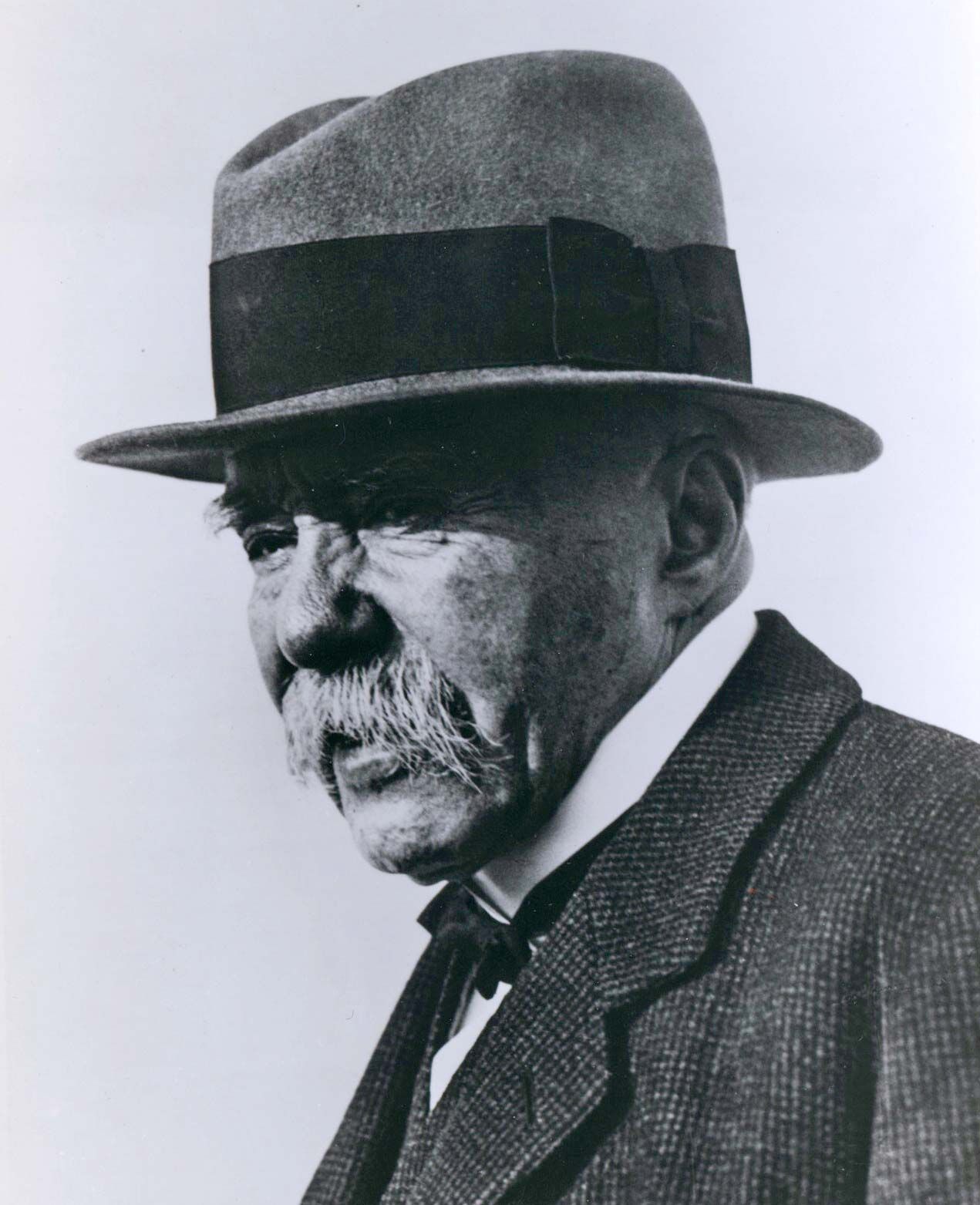
Georges Clemenceau was a passionate writer.
His father Benjamin was a Voltairean, a positivist, and an admirer of the 1789 Revolution. It was through him that the young Clemenceau met rebels who were plotting to overthrow Napoleon and the historian Jules Michelet, who was being hunted by the imperial police.
Three years after his father was briefly arrested, Clemenceau was taken by him to Paris to study medicine. The studies went well. Until they didn’t. Viewing his father as a role model, Clemenceau never stopped picturing an ambitious new world.
He met a group of young men who created an avant-garde association “Agis Comme Tu Penses”, Act as You Think. Clemenceau had never
stopped acting ever since. With some friends, he founded a weekly newspaper Le Travail (“Work”), which led to him being arrested
for advertising a demonstration that commemorated the 1848 Revolution. The 77 days he spent in prison was apparently not
enough to teach him a lesson. Upon his release, he started a new paper, Le Matin (“Morning”), which was again seized by the
authorities. At this time, getting arrested was becoming less of a setback and more of a hobby.
Graduating as a doctor of medicine, Clemenceau left France for the United States as the imperial agents began cracking down on dissidents. His life in NYC was busy: a full-time doctor, with a lot of part-time jobs: a political journalist for a Parisian newspaper Le Temps, a member of French exile clubs opposing the imperial regime, and even a teacher of horseback riding at a private girls’ school.
Well, if you’ve started to think of him as a passionate yet respectful person, you must know that he married one of his students at the girls’ school. Don’t know what people thought about that back then, but it’s definitely weird today.
What was even weirder was their marriage. Clemenceau was definitely not afraid of love. He’s had an unsuccessful love affair before he fled to America, and still had many mistresses after marrying his own student. But when his wife took the tutor of their children as her lover, Clemenceau put her in jail for two weeks and sent her from France to the US on a steamer in third class. I mean, unlucky that your wife is cheating on you. But surely you can’t judge her that harshly if you were cheating first … and for multiple times.
In his later career, Clemenceau founded several newspapers and came to be ranked among the foremost political writers of his time. He served as Prime Minister twice and led France to an ultimate victory in WWI. He also participated in drafting the Treaty of Versailles, endeavouring to reconcile French interests with those of Britain and the US.
Perhaps surprisingly, Clemenceau was an art-lover. He was a long-time friend and supporter of the impressionist painter Claude Monet. He encouraged Monet to donate the famous Les Nymphéas. He also took an interest in Japanese art, particularly Japanese ceramics. He collected approximately 3,000 small incense containers. Apparently leading France through war and political turmoil still left enough spare time for an aggressively specific hobby.
French vocabulary:
Behind the titles of "King", "General", or "Prime Minister" were people who could be brilliant one moment and utterly ridiculous the next. Strip away the marble statues and dramatic oil paintings, many of these leaders start to resemble the kinds of chaotic people we still watch today. Perhaps just with fewer reality TV cameras and significantly more executions.
So the next time someone says modern politics has become too dramatic, just remember: at least nobody today is threatening to invade Belgium over a crush on a teenager. Hopefully.