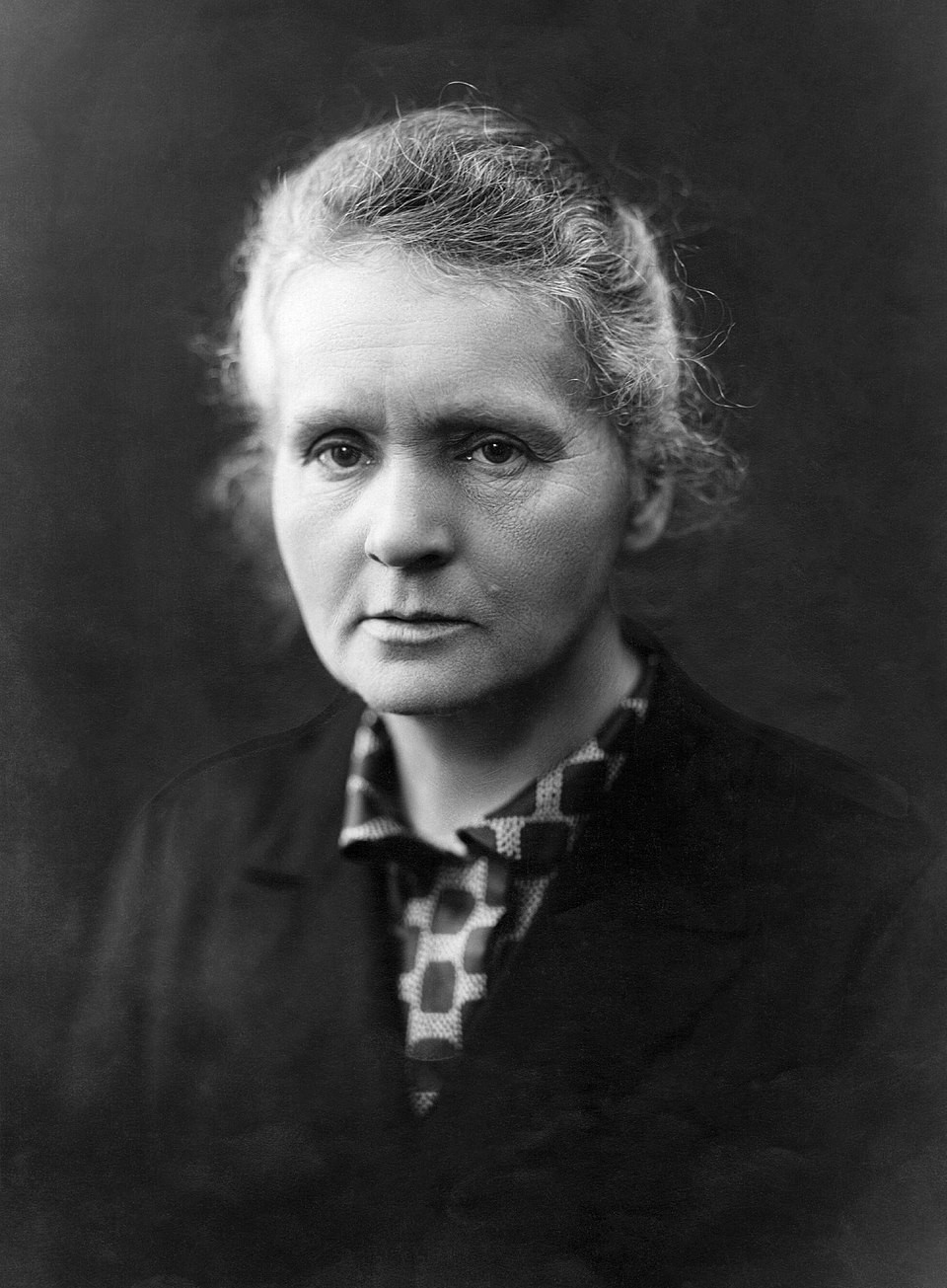
Born in Poland, studied in France, behind the success of Marie Curie, the “mother of modern physics”, there was much more than just a passionate STEMM nerd chasing her scientific ambitions.
Where did it all start? From the teachings of her science teacher father, or from that gold medal she won at the age of 16 upon completing her secondary education?
How did it all unfold? Well, this is a story of perseverance, rebellion, ambition, passion, love, sexism and discrimination……and, of course, Paris.
There were many times in Marie Curie’s life. Many. Where she could have been stopped.
1884, when the Russian authorities forbade women in Poland from accessing higher education. She attended a “Flying University” where young women would educate themselves in secret, at an ever-changing location to avoid detection.
1885, when her father lost all his savings through bad investments and was no longer able to support her. She became a governess, reading and studying in her own time to “quench her thirst for knowledge”.
1891, after years of funding her sister’s medical studies in Paris with her income, she finally arrived in the same Dream City to commence her studies in Physics and Mathematics at the prestigious La Sorbonne. But she had no money to spare, survived on buttered bread and tea, occasionally fainted, and shivered in the chilling winter of France without heating.
She completed all her experiments in an old leaky shed behind the university building.
Yet she made things work.
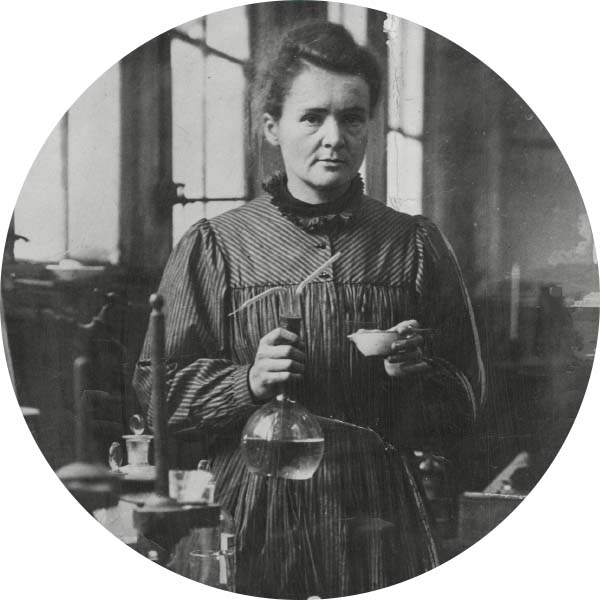
1893, Curie came first in the licence of physical sciences.
1894, she was placed second in the licence of mathematical sciences.
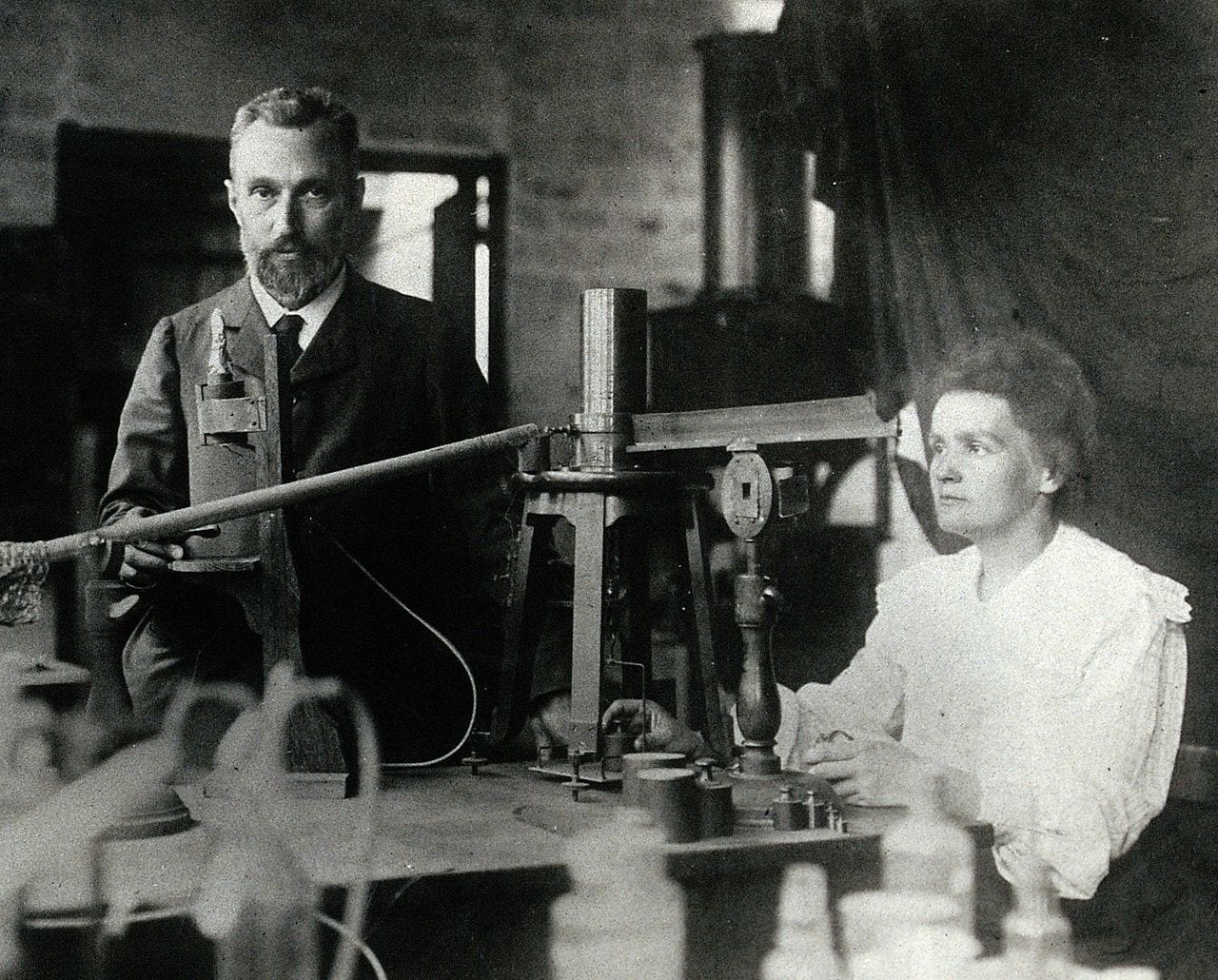
And it was in the spring of that year that she met Pierre Curie.
French vocabulary:
Call the two whatever you like: Lab partners. Soulmates. True love.
But Marie Curie did not just want an old-style Hollywood rom-com. Or even care about that at all. She knew what she wanted, and she was clear about it.
After turning down Pierre’s proposal three times, Marie Curie only accepted it after he offered to give up his own scientific career to go back to Poland with her, Marie’s dear homeland. Although her Poland dream did not come true, we now know that for this woman, her career always came first.
Whether it was love, marriage, children, or political oppression and poverty, you name it, but nothing could ever
stop her from pursuing her scientific aspirations.


French vocabulary:
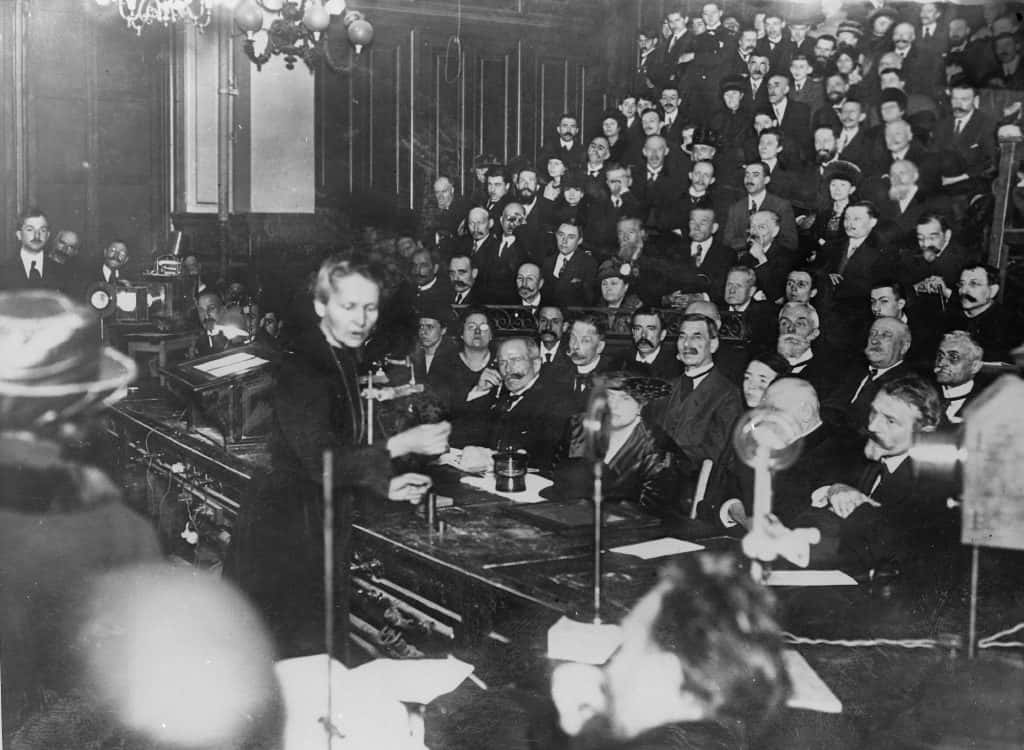
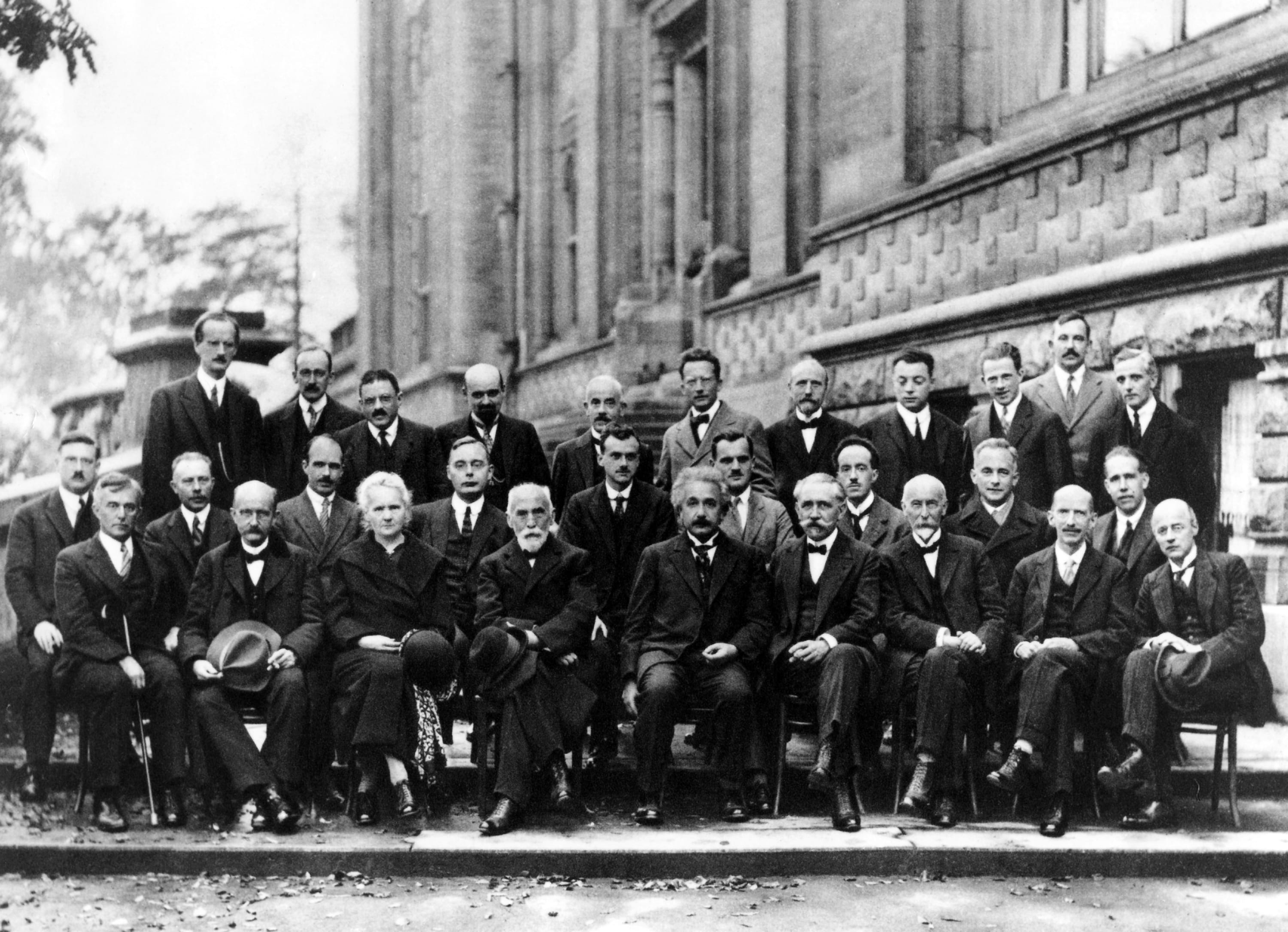
Together with her husband, in 1903, Marie Curie became the first woman in history to receive a Nobel Prize. The story behind this glory had, unfortunately, a sexist dimension of it because Curie’s name was not nominated on the list initially. The Committee for the Nobel Prize was very reluctant to give the prize to a woman, whether they were too cautious or too scared, we don’t know.
In 1911, five years after her husband’s accidental death, Marie received her second Nobel Prize, this time in Chemistry instead of Physics, in recognition of her work in radioactivity. She is not only the first woman, but also the first human being to receive two Nobel Prizes in two different subject areas.
There are still so many “firsts” that Marie had accomplished in her life. She was the first woman to receive a PhD from a French university,
the first woman to become a professor at La Sorbonne, the first woman entombed in the Paris Panthéon……
French vocabulary:
Many would describe Marie Curie as “quiet, dignified and unassuming”. Yet, the way that she shook the world as a woman could only be described in these three words: brutal, bold, and brilliant.
Brutal, in the way that she tore apart the world’s imaginary perception that women could only do and be certain things.
Bold, because how dared she challenge such a very sexist environment?
And, brilliant, in what she did, how she did it and who she did it as…… were all just, brilliant.
French vocabulary:
Almost 100 years after Marie Curie’s death due to aplastic anemia, many of her belongings still remain extremely radioactive. The radium-226 is expected to radiate for another 1000 years, and so will Marie Curie’s radiance.