If you think your daily commute is exhausting, imagine cycling more than 3,000 kilometres through mountains, heatwaves, rain, and showing your most exhausted self in front of millions of people.
Every July, the Tour de France transforms ordinary roads into the biggest stage in cycling, bringing together the fastest sprinters,
strongest climbers, and most sleep-deprived sports fans in the world. From legendary yellow jerseys to dramatic mountain battles and the
occasional scandal, the Tour is far more than just a bike race: it is three weeks of chaos, endurance, and pure sporting theatre on two
wheels.
.jpg)
If you are passionate about bikes, you would probably be familiar with the three Grand Tours: the Giro d’Italia, the Vuelta a España, and the Tour de France, which is coming very soon this July. For cycling fans around the world, this is the most exciting time of the sporting calendar.
First Being the oldest and the most prestigious of the three, the Tour de France is held annually and sees the very best cyclists in the world conquering this multiple-stage road cycling race.
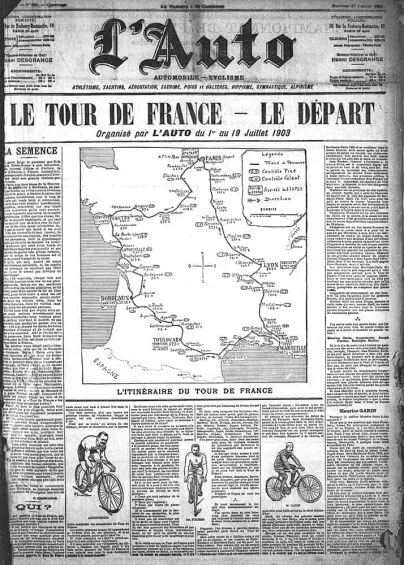
First held in 1903 by the newspaper L’Auto to attract readers, the Tour has grown into one of the largest sporting events in
the world, attracting over 12 million of roadside spectators. This year, out of the 184 riders competing, only one will have the honour
of being titled the winner of the 113th edition of the race.
.jpg)
.jpg)
The 2026 Tour de France will take place between 4 July to 26 July, with a route of a total of 3333 kilometres that includes 21 different stages, taking the competitors all the way from Barcelona in Spain to a grand ending at the famed Champs-Élysées in Paris. The race features a mix of 7 flat sprint stages, 4 hilly stages, and 8 demanding mountains stages in which the cyclists and the spectators will have the privilege of appreciating the beautiful views of the Alps.
To survive three gruelling weeks of racing, nutrition is just as important as fitness. On average, each rider consumes around 123,900
calories throughout the Tour. That’s the equivalent of 495 croissants, 152 full English breakfasts, or 200 bottles of champagne!

Mountain stages present particular challenges to the cyclists. At the same time, they are also ideal tourist destinations for
cycling, hiking, and sightseeing in the summer season:
Le Markstein
Situated in the Vosges Mountains in northern France, Le Markstein has played a recurring role in the Tour de France since its first appearance in 1947, serving as a challenging climb that tests riders' endurance in mountain stages.
While it is known as a sky resort in winter, Markstein serves as a lively hub for diverse summer outdoor activities, capitalizing on its alpine terrain and mild weather for pursuits like hiking and cycling.
L'Alpe d'Huez
Located in the centre of the Oisans region in the French Alps, Alpe d'Huez is a thriving year-round tourist resort favoured by mountain lovers, as popular in summer as in winter.
In the summer months, Alpe d'Huez becomes a paradise for cyclists, who are continuall attracted by the famous 21 hairpin bends that regularly represent a challenging stage of the Tour de France.
.jpg)
.jpg)
Bordeaux, the world’s wine capital in France that boasts over 400 historical monuments, is also featured along the way. Check out here to discover more about Bordeaux:
.jpg)
.jpg)
The battle for the yellow jersey this year is shaping up to be one of the most thrilling in recent memory, with four names dominating the conversation.
Tadej Pogačar remains the outstanding favourite. The reigning world champion and defending Tour champion is chasing a record-equalling fifth victory, and nothing about his 2026 campaign suggests he won't achieve it, claiming four wins from five in the spring Classics alone.
His greatest rival, Jonas Vingegaard, hasn't gone away either. Winter whispers about the Dane's decline look misplaced after a dominant start to 2026, capped by a commanding Giro d'Italia victory, making him the clear number-one challenger heading into July.
Remco Evenepoel also enters as a genuine podium contender, with the Belgian having proven himself capable of winning Grand Tours and challenging at the very top of the sport.
Perhaps the most exciting story of all, though, is Paul Seixas, a 19-year-old Lyon native riding for Decathlon. His spring was nothing short of historic: winning La Flèche Wallonne, the Tour of the Basque Country (the first French WorldTour stage race win since 2007), and finishing second at both Strade Bianche and Liège-Bastogne-Liège. He arrives at his first-ever Tour de France as the great French hope, with a nation behind him dreaming of a first French winner in over 35 years.
.jpg)
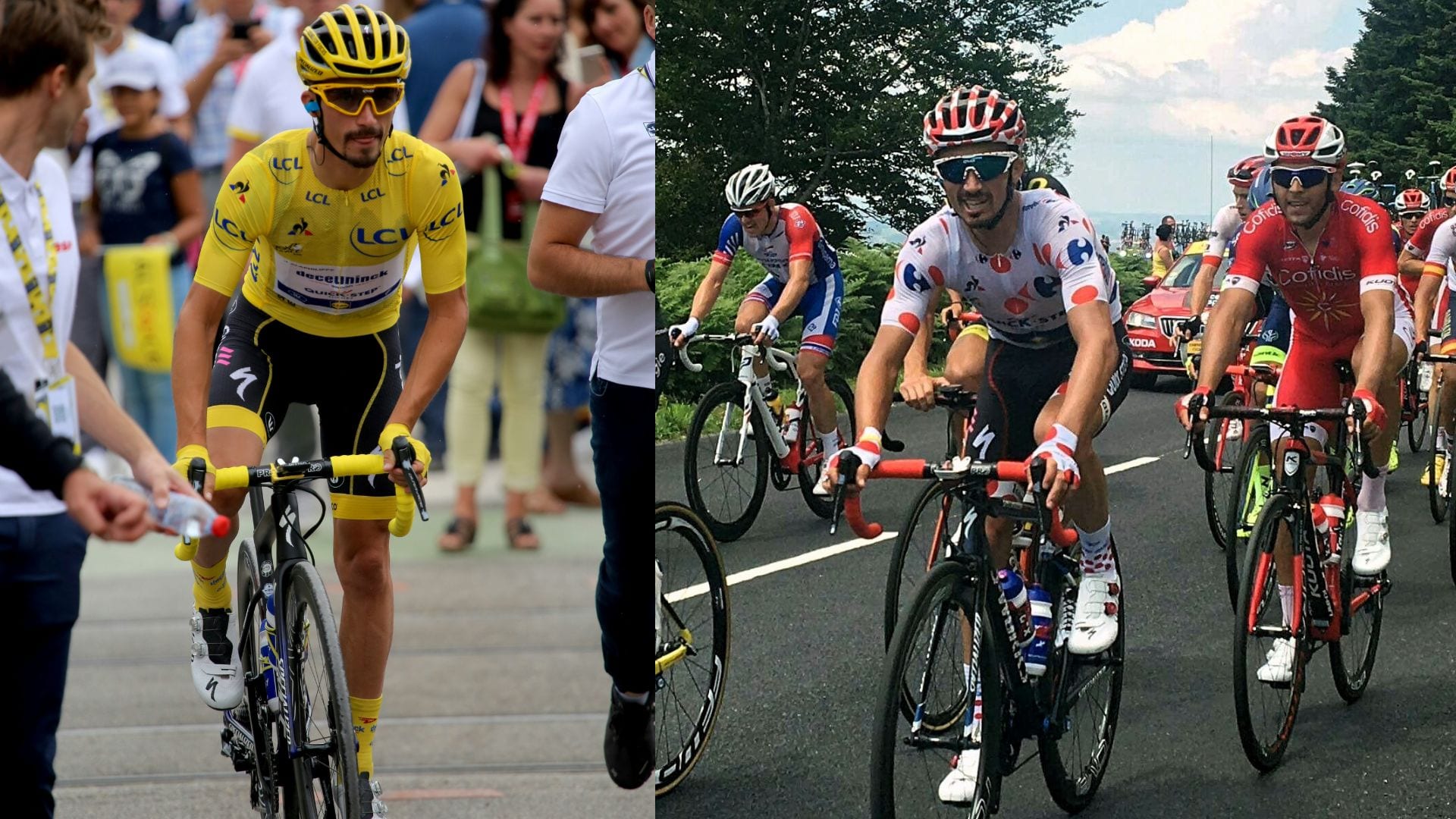
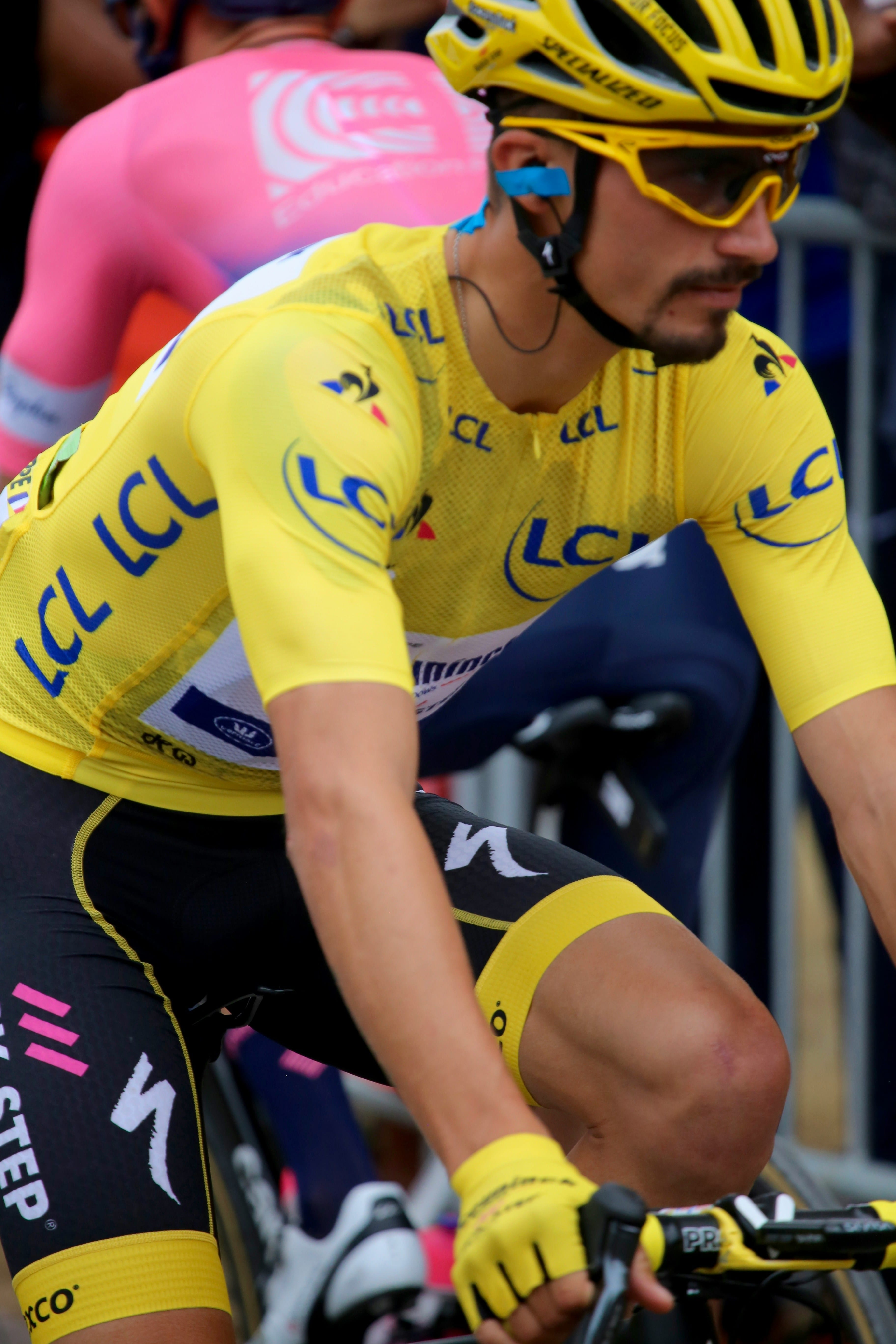
All the cyclists battle for nothing but the prestigious yellow jersey. Also called the maillot jaune, this seemingly basic jersey is the most coveted piece of kit in professional cycling and is awarded to the overall winner of the Tour de France, the rider who has completed the race in the least amount of time. It is yellow as the Tour’s original organiser, L’Auto, was a newspaper printed on yellow paper.
If you didn’t have the luck of winning this one-of-a-kind jersey, you may still get to wear the green jersey (maillot vert), awarded to the leader of the Points Classification who has been awarded the most bonus points for finishing as one of the first three riders across the finish line each day. The jersey took its colour because the initial sponsor of the race was a lawn mower manufacturer.
The white-with-red-dots jersey (maillot à pois rouges) is given to the rider with the most mountains points, who manages to summit classified climbs first.
Finally, the plain white jersey is awarded to the fastest young rider who is 25 or under. This classification often highlights future stars
of cycling before they become overall Tour contenders.
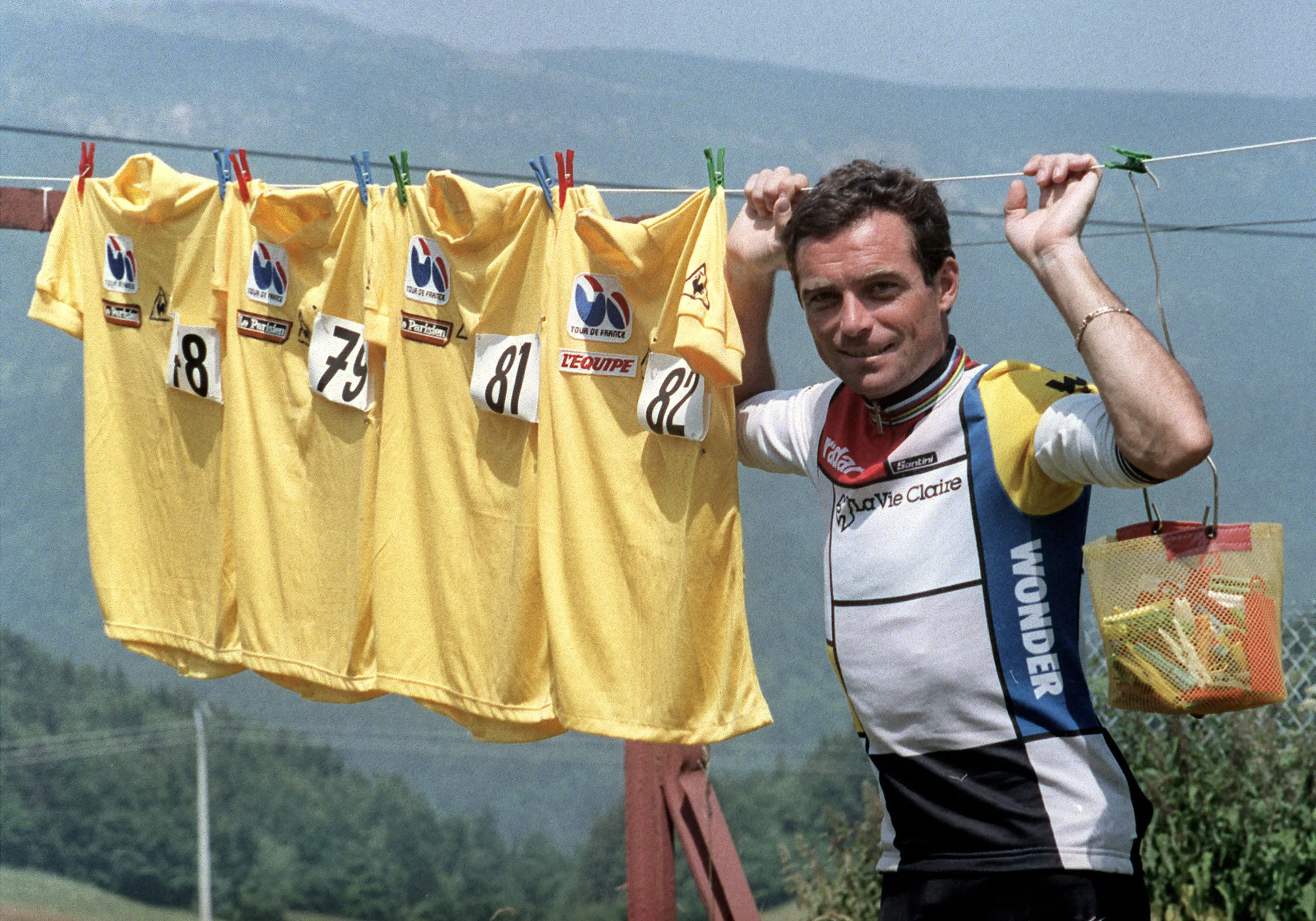
There are four riders that share the crown of most Tour de France titles: Jacques Anquetil, Eddy Merckx, Bernard Hinault, and Miguel Indurain, who have all won the race on five occasions.
Anquetil won his first yellow jersey in 1957 and his fifth in 1964, whereas Merckx won four in a row between 1969 and 1972, before adding a fifth one to his collection in 1974. Miguel Indurain is the only rider to have won the Tour for five consecutive seasons, between 1991 and 1995.
Hinault is the most recent French winner, having won his fifth yellow jersey in 1985.
Since Hinault’s victory, France has since gone over 35 years without seeing a yellow jersey. This year could be a chance for France to win again. However, the 26-year-old Slovenian rider Tadej Pogačar has had his eyes on this year’s yellow jersey for a while. He is looking to join the five-wins club at this 113th edition.
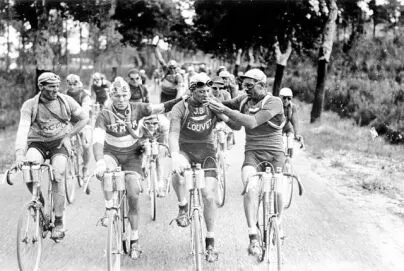
The race is never without scandals ... especially when its competitors are really locked in getting that yellow jersey.
The earliest scandalous moment of the Tour de France began in 1904, after the original winner of the 1904 edition Maurice Garin and the three runners-up were disqualified amid allegations that they had used trains during the race!
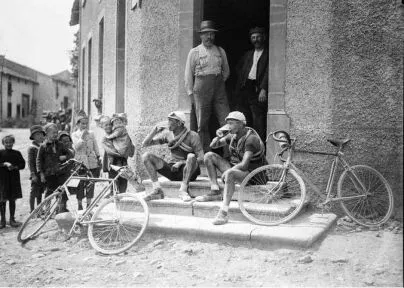
Riders also came up with creative solutions to deal with the challenging routes. In the 1920s, they were known to share cigarettes during races because many believed smoking could help “open up” the lungs before major climbs. Thankfully, sports science has moved on quite a bit since then.
Alcohol was also commonly consumed to ease pain during races before it was eventually banned in 1960 after being considered a stimulant. The Tour de France in the early days sounded less like a cycling race and more like a very stressful pub crawl.
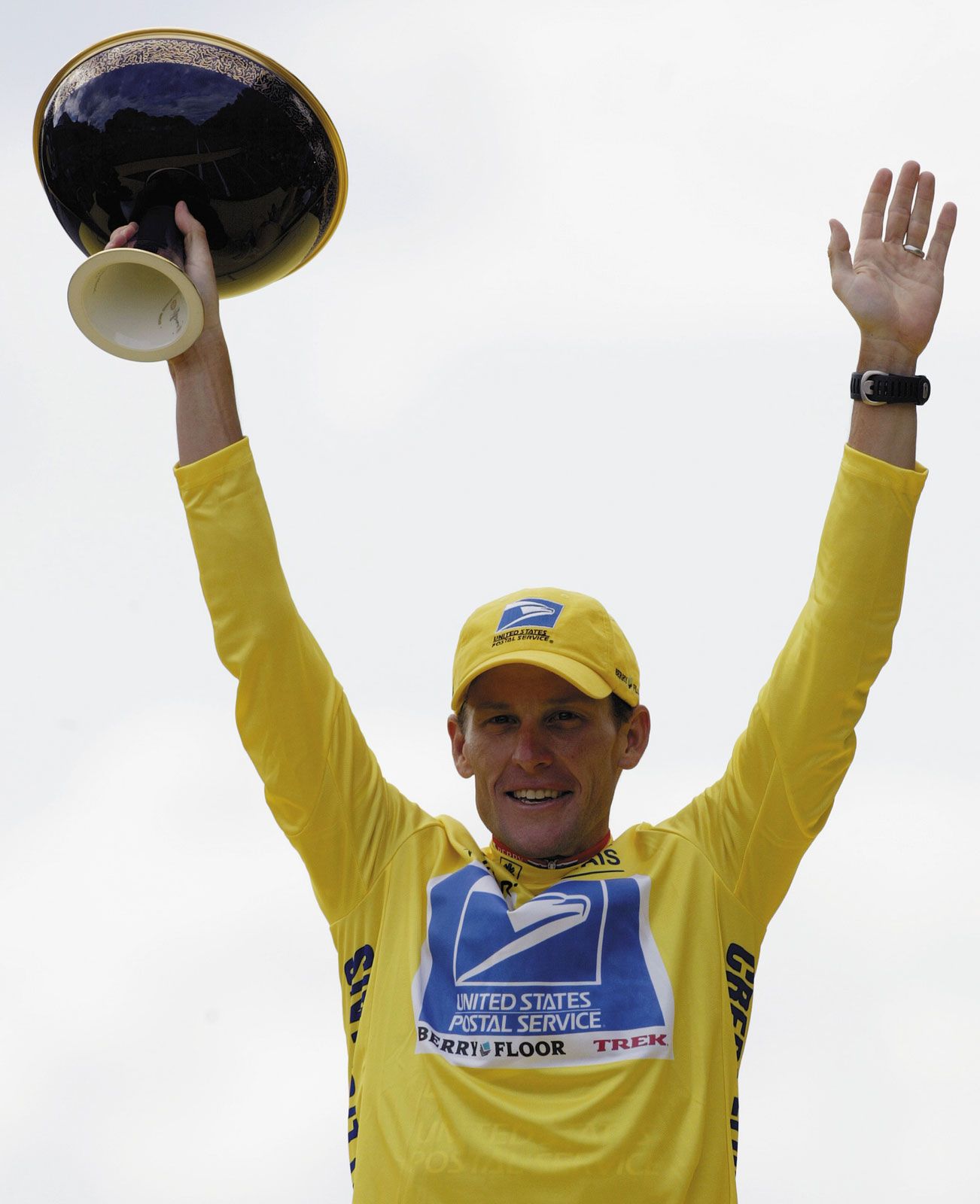
A seven-time winner of the Tour between 1999 and 2005, Lance Armstrong, was stripped of all accolades after he was found guilty of doping in
2012. Safe to say, that victory lap did not age particularly well.
.jpg)
Whether you are a lifelong cycling fan or someone who only watches the Tour de France once a year while pretending to understand words like “peloton” and “domestique,” there is no denying the excitement that surrounds this legendary race.
With breathtaking scenery, fierce rivalries, historic traditions, and riders pushing themselves far beyond human limits, the Tour continues to captivate millions around the world every summer.
And as the 2026 edition approaches, one thing is certain: if you want to witness this heated battle for the yellow jersey , book your flight tickets now!